Home Industries Mining & high-density compute
Mining & high-density compute
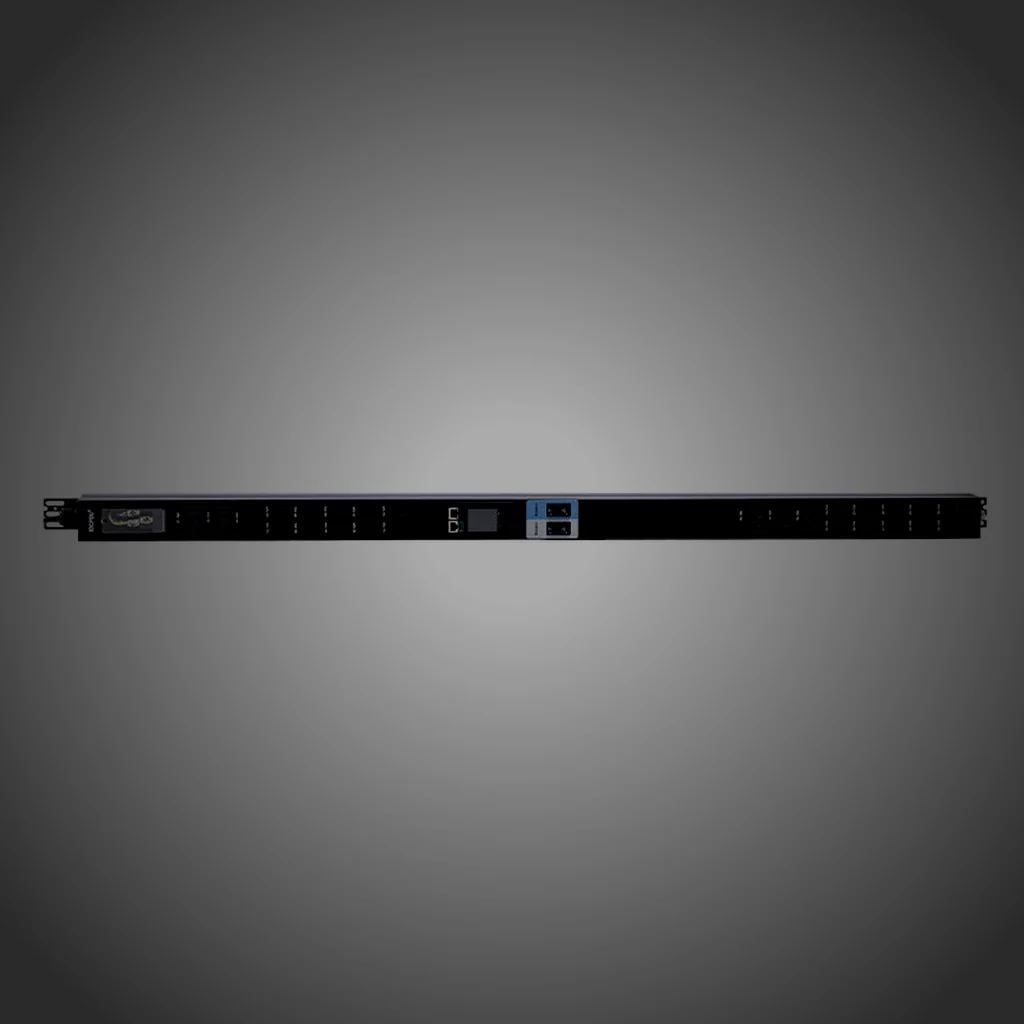
A rack that draws like a motor
A high-density compute rack on a mining site draws continuously and unevenly, and it is fed from an industrial supply: three-phase 415V AC, 50Hz to 60Hz, 10A to 32A per feed. What the operator needs from the rack is not a total, it is which outlet has gone bad and which one is pulling more than its share.
 Rack output
- 20 × 20A (SA-20) AC 415V three-phase
 Outlets
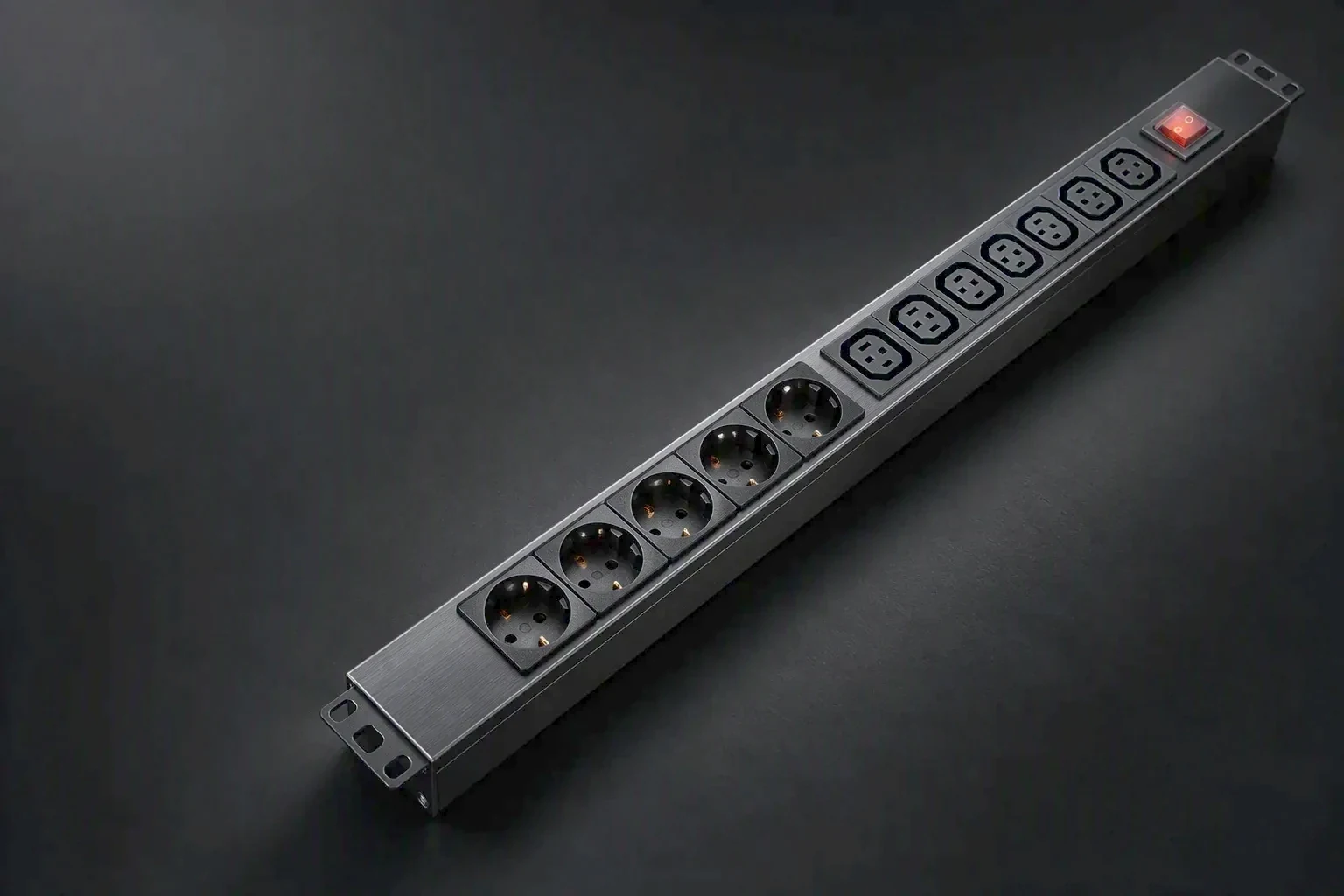
- IEC C13 10A / C19 16A Input 10A–32A, outlet side 10A–16A
 Working supply
- 110V ~ 250V AC 50Hz ~ 60Hz, wide input 180V ~ 265V
 Metering
- +/-1%, 1 grade Energy at Scale 0.1 kWh, current at 0.1A
 Answer time
- 12 business hours Configured quotation, in English
The mechanism
Find the outlet, not the total
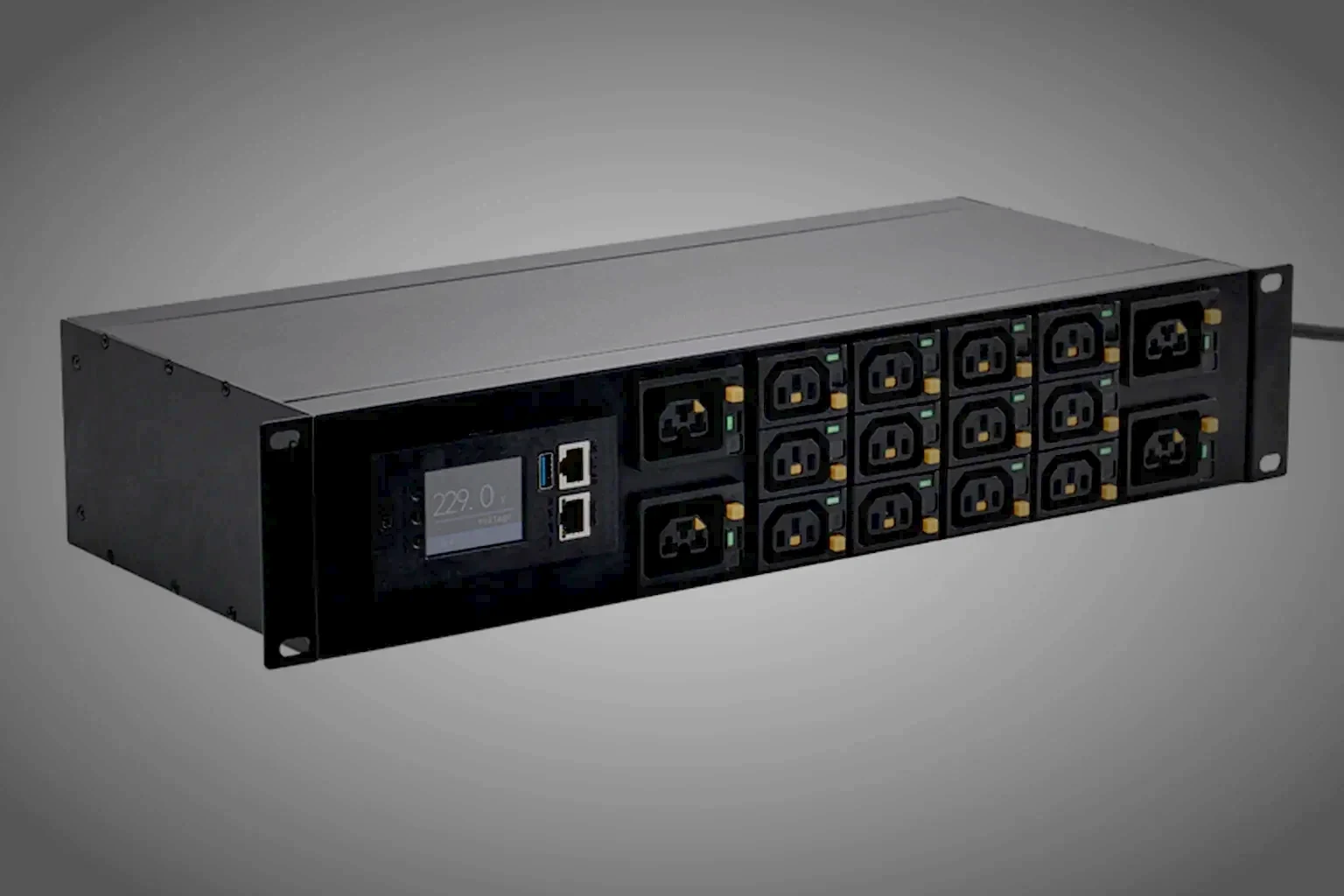
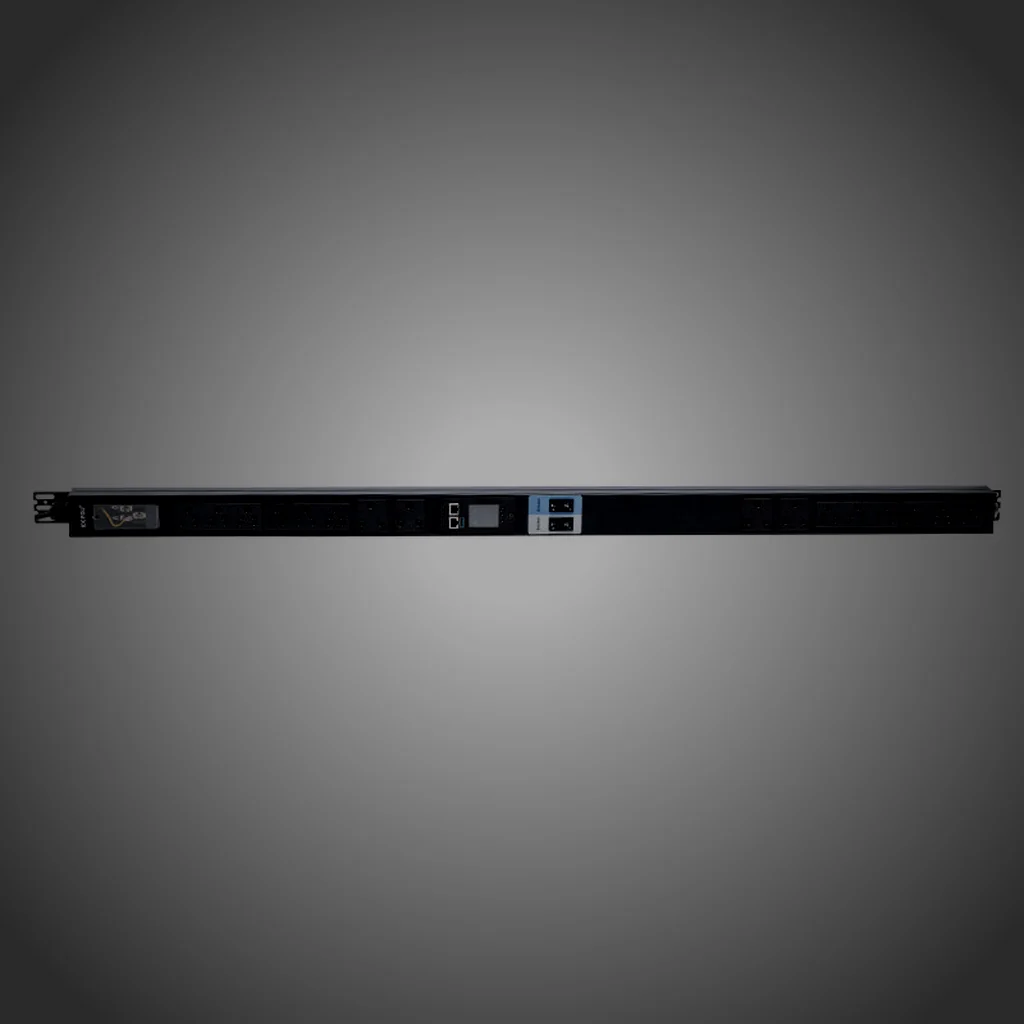
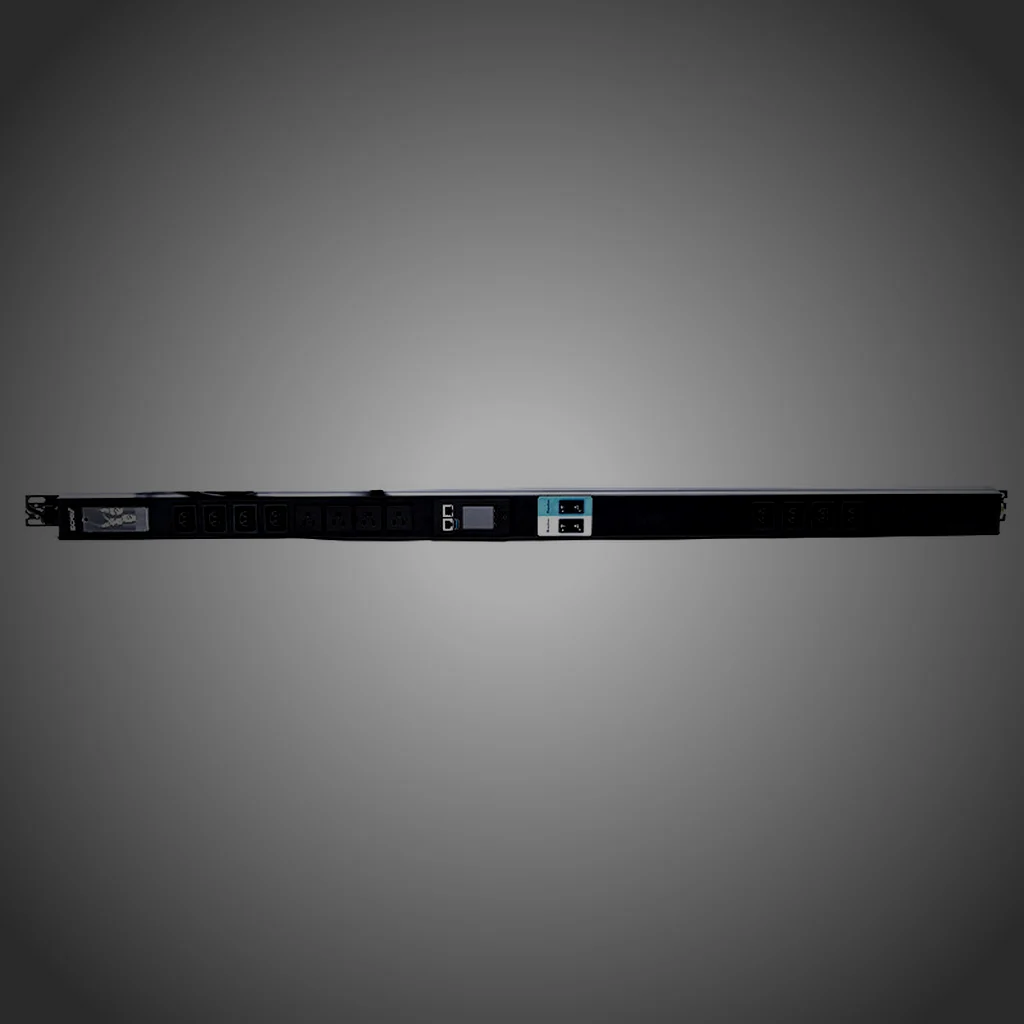
On a dense rack the failure is single-outlet: one power supply drifts, one connector heats, one card starts pulling more than its share. A total per feed hides all three. Per-outlet metering puts the current of each outlet on the register map, and per-outlet switching lets the operator drop that one outlet without taking the rack down. The same unit reports the energy each line accumulated, so an operator can compare two racks on the same tariff without a clamp meter.
- Metering depth total / per outlet
- Current per outlet 0.1A
- Accuracy +/-1%
- Switching per-outlet relays
- Rack output 20 × 20A (SA-20)
- Supply AC 415V three-phase
- Working voltage 110V ~ 250V AC
- Frequency 50Hz ~ 60Hz
Mining line sheet
Rack sheet for a dense compute row
The top rows describe the rack, the lower rows describe how it is fed and what it reports. Every value is a setting on the unit rather than a range quoted for a catalogue.
| Parameter | Value | Note |
|---|---|---|
| Rack output, model example | 20 × 20A (SA-20) | AC 415V, three-phase |
| Input current | 10A–32A | Feed side |
| Output current per outlet | 10A–16A | IEC C13 10A, IEC C19 16A |
| Working voltage | 110V ~ 250V AC | The range the outlets are rated at |
| Working frequency | 50Hz ~ 60Hz | Both nominal supplies |
| Wide input, with protection | 180V ~ 265V | Surge and lightning path in front of the meter |
| Input voltage range, meter | 90V ~ 350V | Scale 1V, +/-1% + 1 digit |
| Total current scale | 0.1A | +/-1% + 1 digit |
| Energy register | 1 grade, 0.1 kWh | Billing-grade total energy |
| Metering depth | total / per outlet | Per-line energy on every reporting line |
| Internal conductors | 2.5mm² / 6mm² | VDE, copper busbar connection |
| Outlet rank, model example | C19 × 4 + C13 × 36 | Fixed rank, other combinations on request |
| Communication | 10/100M + RS485 | SNMP and Modbus, embedded web server |
| Event storage | 20,000 | Entries held by the built-in RTC through power loss |
- Substation feed AC 415V
- Rack busbar copper
- Outlet rows 20 × 20A (SA-20)
- Meter and log on the same line
Every outlet hangs off the same busbar, so the busbar is the one part of the rack that sees the sum of the load. Conductor sizing follows that: 2.5mm² and 6mm² VDE internal wiring with an, terminated on copper busbar rather than on a chain of connector blocks.
The meter sits on the same reporting line as the outlets, so a rack-level total and an outlet-level current are polled together. That is what makes a comparison between two racks meaningful without a second instrument. Copper busbarsum of the load
- Rack output20 × 20A (SA-20)
- Outlet rankC19 × 4 + C13 × 36
 Electrical test100% before packing
Register grid
What an operator polls on a dense row
One cell per register group, with the resolution it reports at. On a mining site the collector is often a site controller rather than a data-centre system, which is why the same set is available over Modbus and over SNMP.
-
Current per outlet
0.1A
The register that finds a drifting power supply. +/-1% + 1 digit on each reporting line.
-
Energy per line
0.1 kWh
1 grade billing register. What a line accumulated, so two racks compare on the same tariff.
-
Rack total
+/-1%
Current, voltage and active power per reporting line, sampled together rather than in sequence.
-
 Voltage at the rack
1V
90V ~ 350V meter window. A long run at 415V sags, and the register keeps counting through it.
-
 Ambient at the rack
-30°C ~ 100°C
1°C resolution, humidity 1% ~ 99%. Fitted to the reporting unit, not bought as a separate probe.
-
 Event log
20,000
Entries with the built-in RTC holding time through power loss, so a trip is still datable afterwards.
What travels with the unit
Assessed to a standard, held by a name
Certificate title, the standard it was assessed against, and the legal entity named on it. Numbers are left off this page; scans come with the current revision of the line sheet.
- Certified to UL 62368-1 (component)Ningbo DCDU Power Distribution Equipment Co., Ltd.
- CE-LVD and CE-EMCTUV route, assessed as applicable to the line
- RoHS (TUV)Restricted substances, assessed as applicable
- Recycled content declarationOver 95% recycled content, declared by the holder
- IEC and NEMA complianceOutlet and enclosure compliance, as applicable
- ISO 9001 quality managementHolder named on the certificate
- Electrical testing100% electrical testing on every unit before packing

Send the rack
Say the rack size and the feed
The rack output, the supply it is fed from, the outlet combination and whether outlets are switched individually. A site that runs on a three-phase 415V supply should say so, because that decides the outlet rank and the conductor sizing.
- Rack output
- 20 × 20A (SA-20), AC 415V
- Outlets
- IEC C13 10A / C19 16A
- Metering
- +/-1%, total or per outlet
- Reply
- 12 business hours